

WHO WE TALK TO
Primary Schools
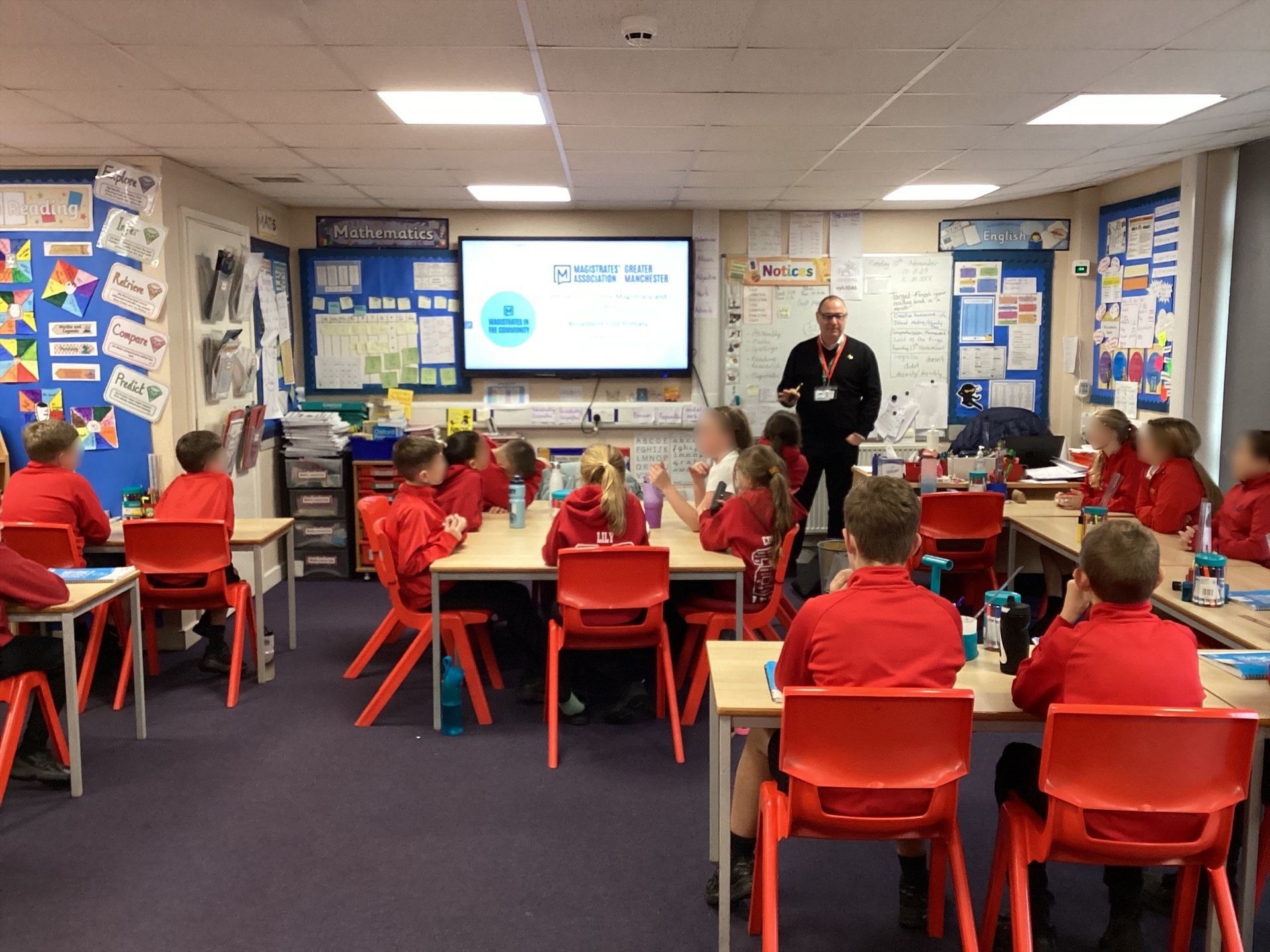
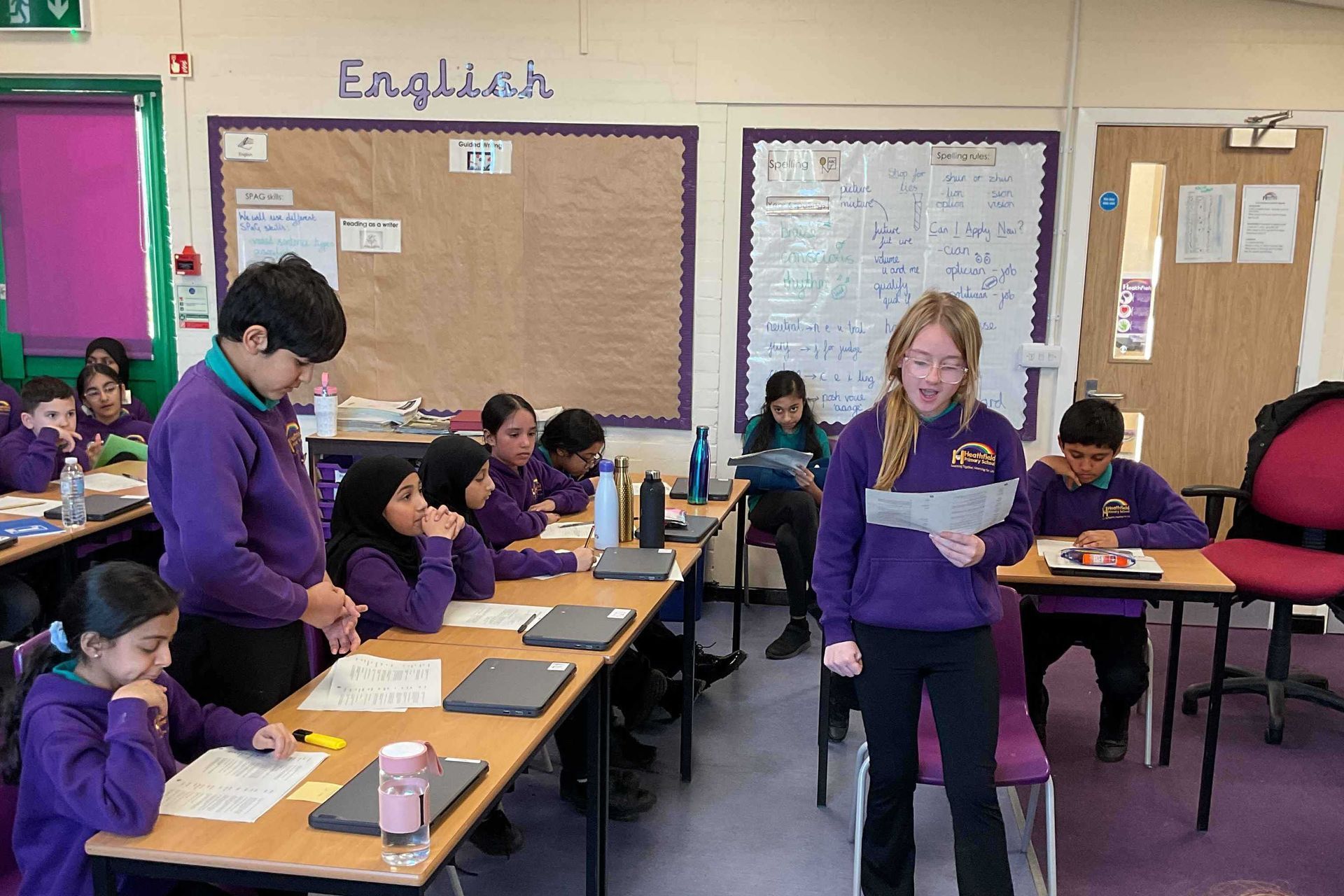
Year 6 in Primary School is an ideal time to start learning about the law and how it works. We are regularly asked back to schools year on year so that all pupils can benefit as they move through Year 6.
We have a number of activities targeted at Year 6 and Key Stage 2. They are designed to impart information while keeping the children interested and involved.
These include quizzes, interactive presentations and in classroom mock trials. They are designed to provide information about the magistracy and criminal justice system, or if required specific issues such as cyber bullying and knife crime, as well as the consequences of having a criminal record.
We also run an annual Year 6 Mock Trial Competition across Greater Manchester.
Secondary Schools
Key Stages 3 and 4, students between 11 and 16 years old.
We recognise the constraints of the secondary school timetable and ensure that our presentations make efficient use of the time we are given.
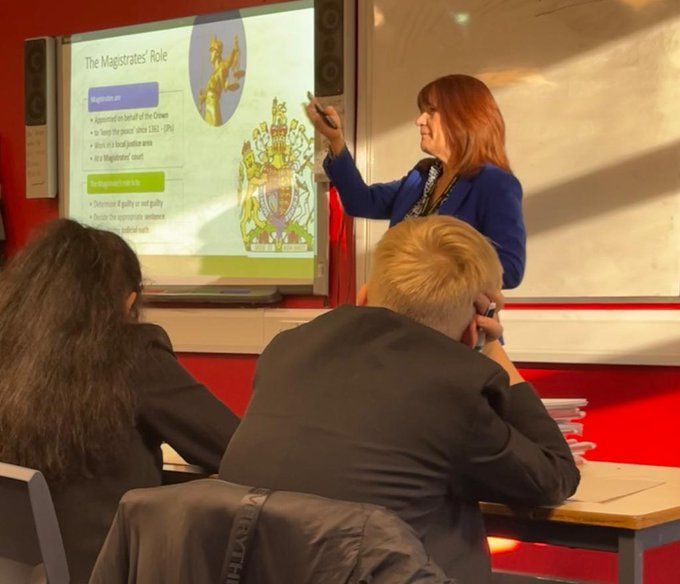
We have a variety of presentations to suit the school’s curriculum or current issues. These include an introduction to the magistracy, cyberbullying, knife crime and possession of a bladed article and others.
We are sometimes required to present to multiple classes in a day or return several times to make sure every class in a year group receives the presentation. We also visit schools as part of a multi-agency session to the whole year group, throughout the day.
Colleges
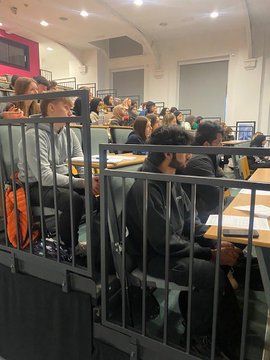
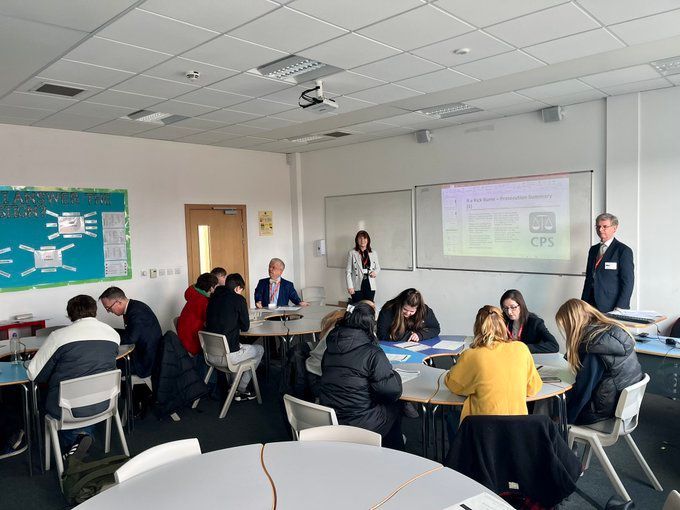
As young people take on more responsibility and independence, with moving onto University or getting jobs, it is important for them to know how their actions may be dealt with through the courts.
They should be aware that the consequences of the decisions that they make can have a profound influence on their future livelihoods and careers.
The presentations that we have are targeted at such young people to help make them aware of the likely consequences and hopefully enable them to make the appropriate decisions when required.
Universities
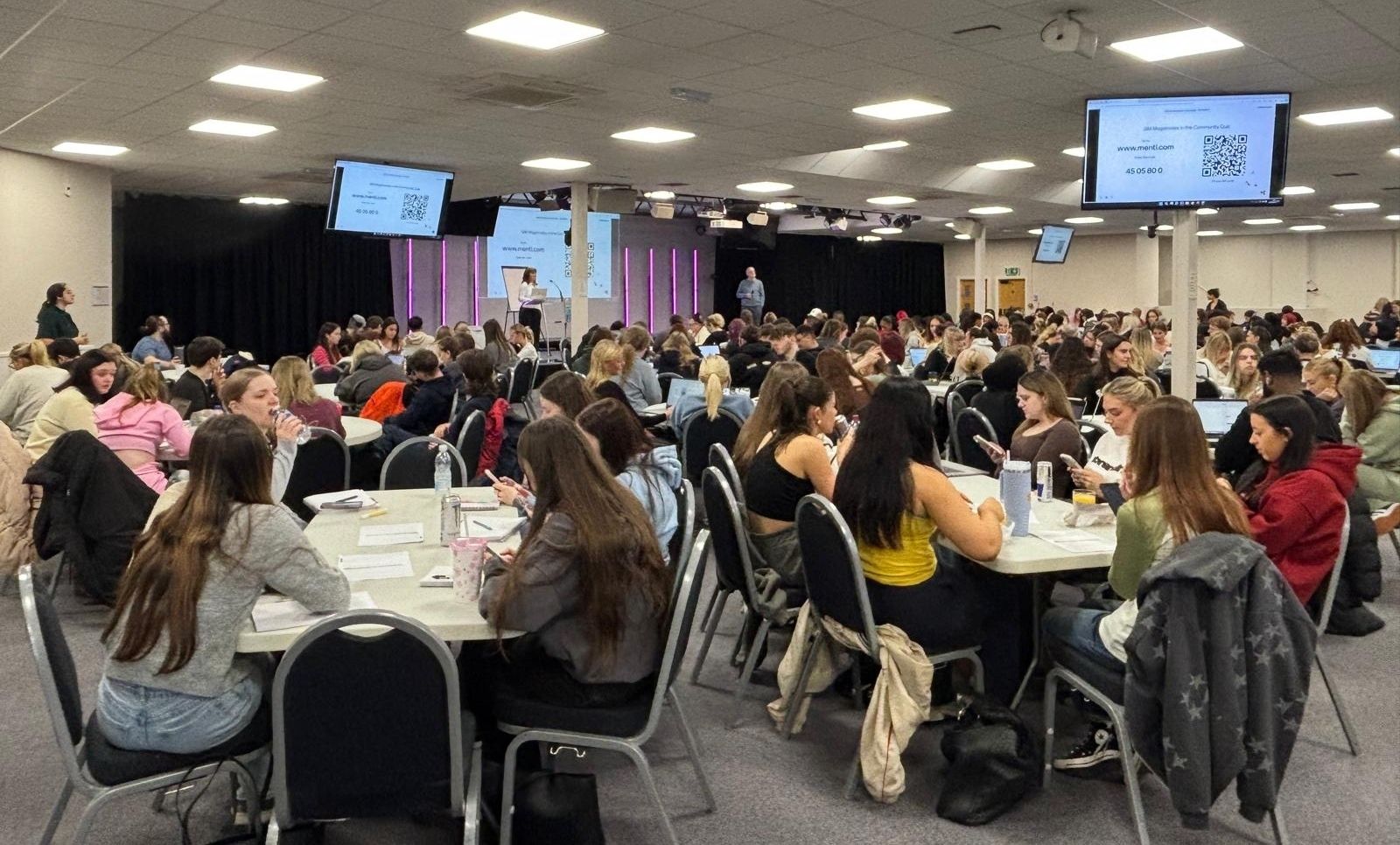
For several years we have been asked to visit a local university to give presentations and simulation experiences to first and second year undergraduates studying social work and criminology.
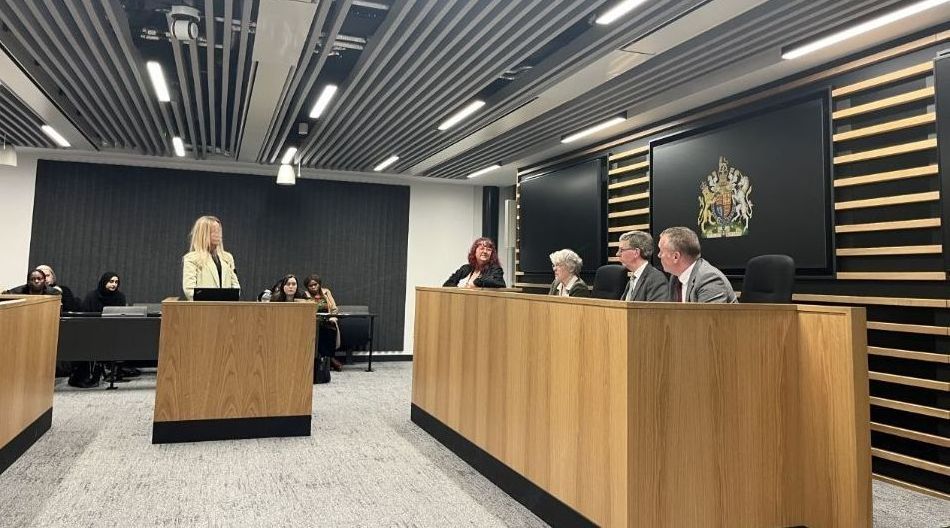
We run mock court scenarios for the social work undergraduates to gain an insight into what it’s like to present a case and be questioned within court.
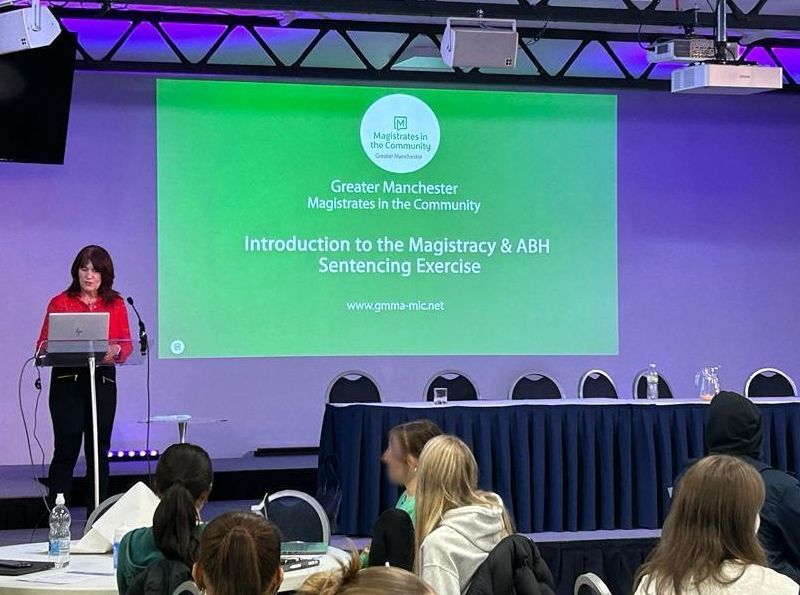
For the criminology undergraduates we take them through a sentencing exercise. This illustrates what is considered, and the structure used, when determining a sentence following a guilty plea. A practical insight into the day to day running of the courts is as useful as the law they learn in lectures.
Community Groups
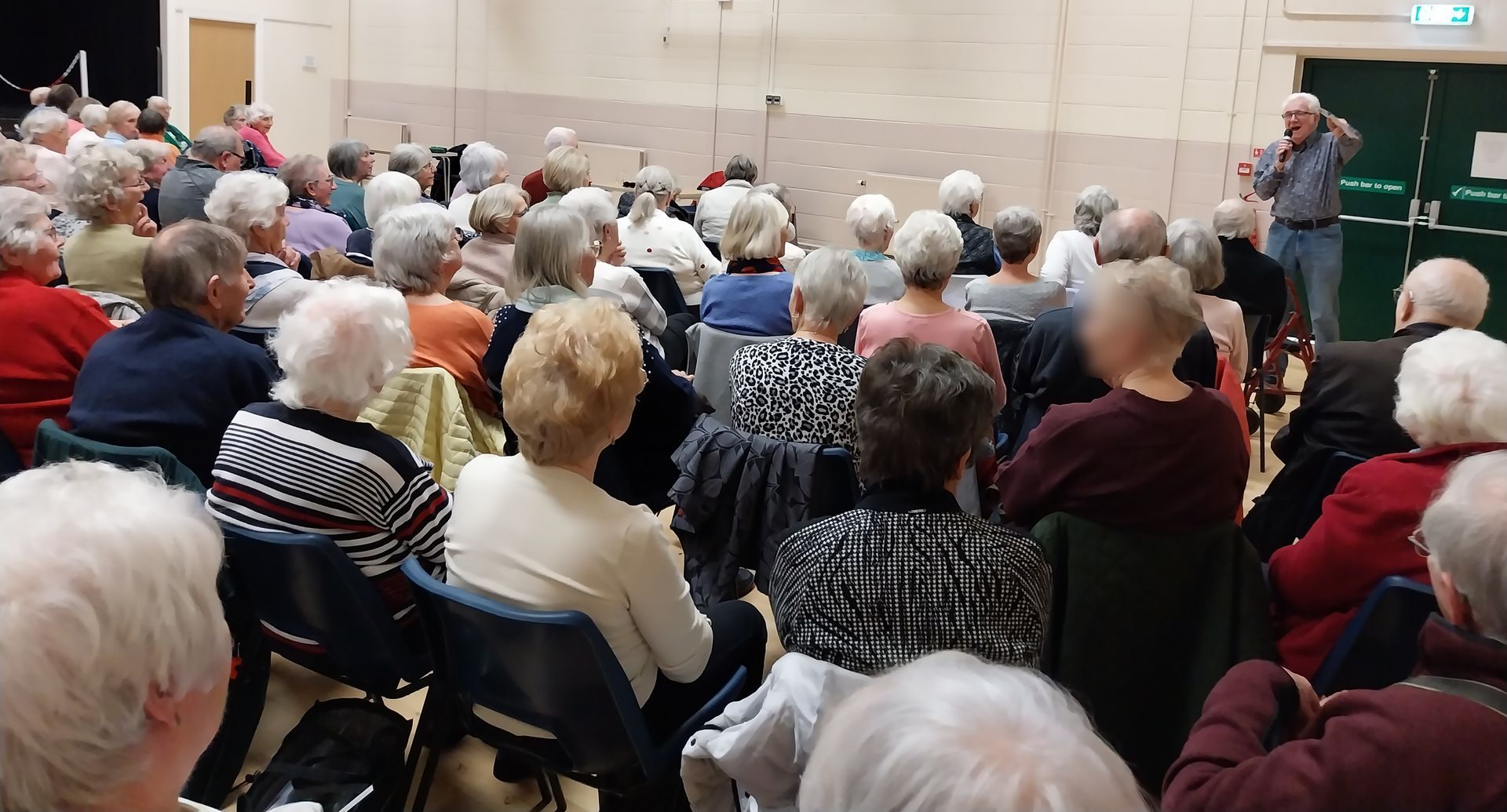
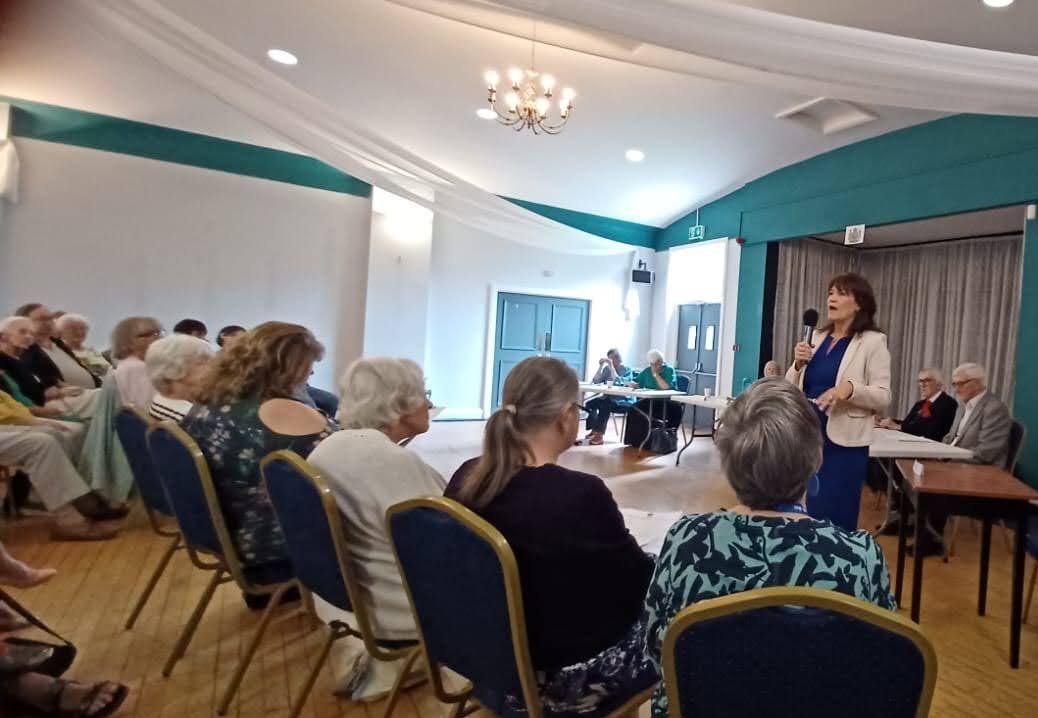
These include, but are not limited to, U3A, WI, Probus, Rotary and many more.
Our main priority is to explain to young people what magistrates do and help them make better choices within the law. However, we also want to inform the wider community about the magistracy, what magistrates do and how they fit within the criminal justice system.
Due to this we welcome requests to visit all community groups at their meetings, either during the day or in the evenings. We are frequently asked how to apply to become a magistrate at the end of these discussions.
We provide a general discussion with Q and A. We will not talk about specific cases. Frequently we are asked back to follow up with a mock trial on a second visit.
- As the Greater Manchester Magistrates in the Community team, we cover Greater Manchester and some of the adjoining areas. If you are not within this area, we may be able to provide details of an MIC group local to you.
- There is no presentation fee or any expectation of payment. If an adult community group organisation wishes to make a purely voluntary contribution, this would be used to help fund our activities providing presentations, mock trials, knife crime and other initiatives to schools and other youth groups.
- All presenters are volunteers who are either serving, or recently retired, magistrates.
- All material has been verified to ensure that presentations keep up with changes in the law and the processes of the magistrates’ court.
- If you have a particular topic you would like us to talk about, then please contact us, we may be able to help. However, we cannot talk about specific cases.
If you would like more information about what we can do, or to arrange a visit, please email us at enquiries@gmma-mic.net .
Magistrates in the Community (MIC) is the outreach programme and a community engagement initiative of the Magistrates Association (MA)
MAGISTRATES IN THE COMMUNITY
PRESENTATION AND MOCK TRIAL
SAFEGUARDING AND RISK ASSESSMENT PLAN
We have produced the following Safeguarding and Risk Assessment Plan which will apply to all MIC visits, mock trials and presenters until further notice:
- Safeguarding & Discipline: Although as magistrates we are DBS checked on appointment to the bench, our certificates are not routinely updated. We therefore require a teacher or member of staff to be with us at all times for safeguarding and managing discipline in the classroom. We should be considered as 'Visitors', with the appropriate lanyard and safeguarding protocol followed by the school.
- Mock Trial: For a mock trial in the classroom or at a venue, we use a small breakout room close by for the student magistrates and a visiting magistrate to retire to when reaching their verdict. Therefore, we will need another member of staff to be with us in that room too please, but it is only for 10 mins.
- Names and contact details of visiting Magistrates will be sent to the organisation at least 24 hours prior to the presentation
- Presentation material can be emailed to the organisation in advance if required. All material is copyright to the Magistrates’ Association and should be deleted following the presentation.
- Magistrates should not operate the computer keyboard unless specifically authorised by the teacher/organiser.
- Magistrates will comply with any regulations set down by the venue.
**************************************